If you have never been through a home inspection, it is natural to wonder what the inspector is actually looking at for those two or three hours. A home inspection is a top-to-bottom evaluation of a home's visible and accessible systems and components — the parts of the house that keep you safe, dry, and comfortable. It is not a pass-or-fail test and it is not an appraisal; it is a plain-English picture of the home's current condition so you can make an informed decision. Acadiana Home Inspectors has evaluated homes across Lafayette and the Acadiana region since 1995, and every inspection follows the standards set by the Louisiana State Board of Home Inspectors.
What Systems Does a Home Inspector Evaluate in Louisiana?
A standard home inspection covers the major systems that make a house livable: the roof and exterior, the foundation and visible structure, the electrical system, the plumbing system, the heating and cooling equipment, and the attic, insulation, and interior. The inspector works through each one methodically, documenting what is working, what is nearing the end of its service life, and what needs attention now.
In Acadiana, a good inspector also reads the house through the lens of our climate — high humidity, heavy seasonal rain, and the expansive clay soils that move with every wet-and-dry cycle. Those conditions shape where problems tend to show up here. For the full list of what is covered, our home inspection checklist breaks it down room by room and system by system.
One thing a good inspector will not do is overstate what an inspection can promise. An inspection is a snapshot of visible, accessible conditions on the day we are there — thorough, but not X-ray vision through finished walls. What it gives you is a realistic, documented understanding of the home's condition so there are far fewer surprises after you move in, and a clear sense of which repairs are urgent and which can wait.
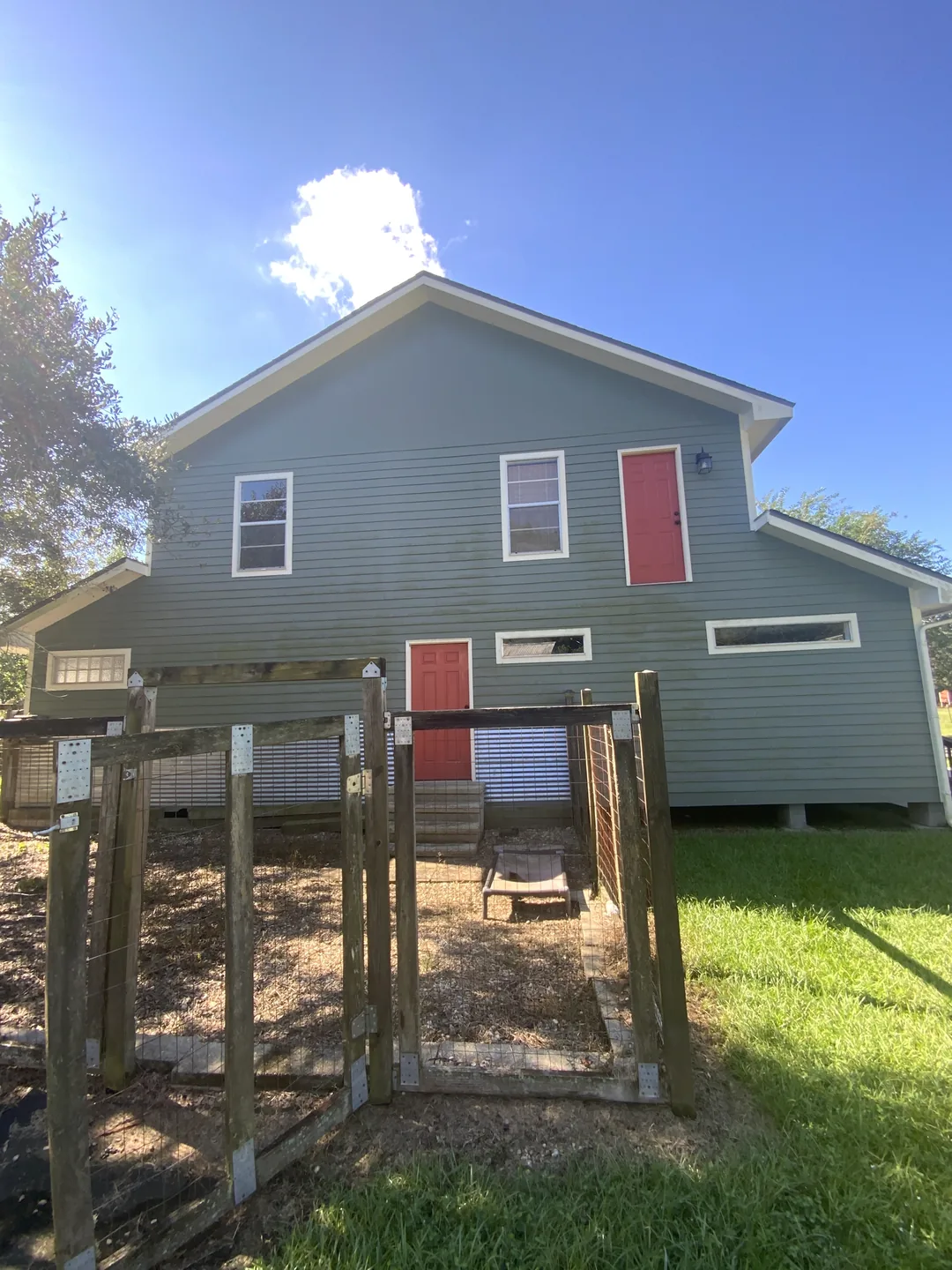
What We Found: An exterior door on the second floor with no stairs, landing, or guardrail.
Why It Matters: Anyone who opens this door and steps out faces a serious fall. It's a safety hazard that's easy to overlook during a showing.
Next Step: Documented in your report so you can ask for a landing and stairs to be built, or the door secured, before closing.
What Does a Home Inspector Look for on the Roof?
The roof is one of the most expensive systems to repair, so it gets close attention. The inspector looks at the condition of the shingles or other covering, the flashing around penetrations, the condition of the gutters and drainage, and any signs of past or active leaking. Where it is safe and accessible, that means walking or closely viewing the roof surface rather than glancing from the ground.
In South Louisiana, roofs take a beating from sun, heat, wind, and tropical weather. Lifted or missing shingles, aging flashing, and poor attic ventilation that shortens a roof's life are common findings. The goal is to tell you how much life the roof likely has left and whether there are active concerns — not to guarantee a roof will never leak.
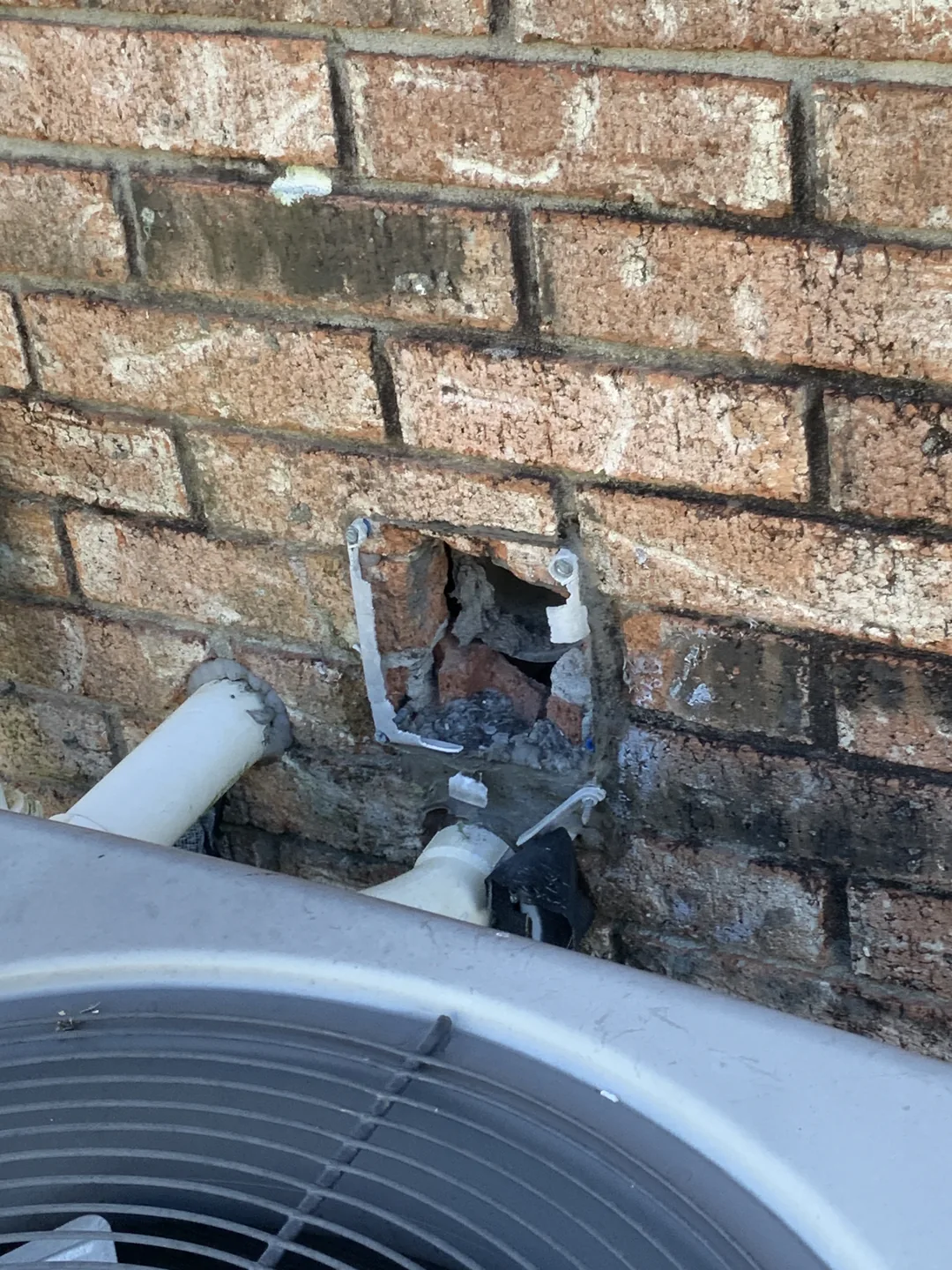
What We Found: A broken opening in the brick wall behind the outdoor AC unit.
Why It Matters: Openings in the exterior wall can let water and pests into the wall.
Next Step: Documented in your report so the opening can be repaired and sealed.
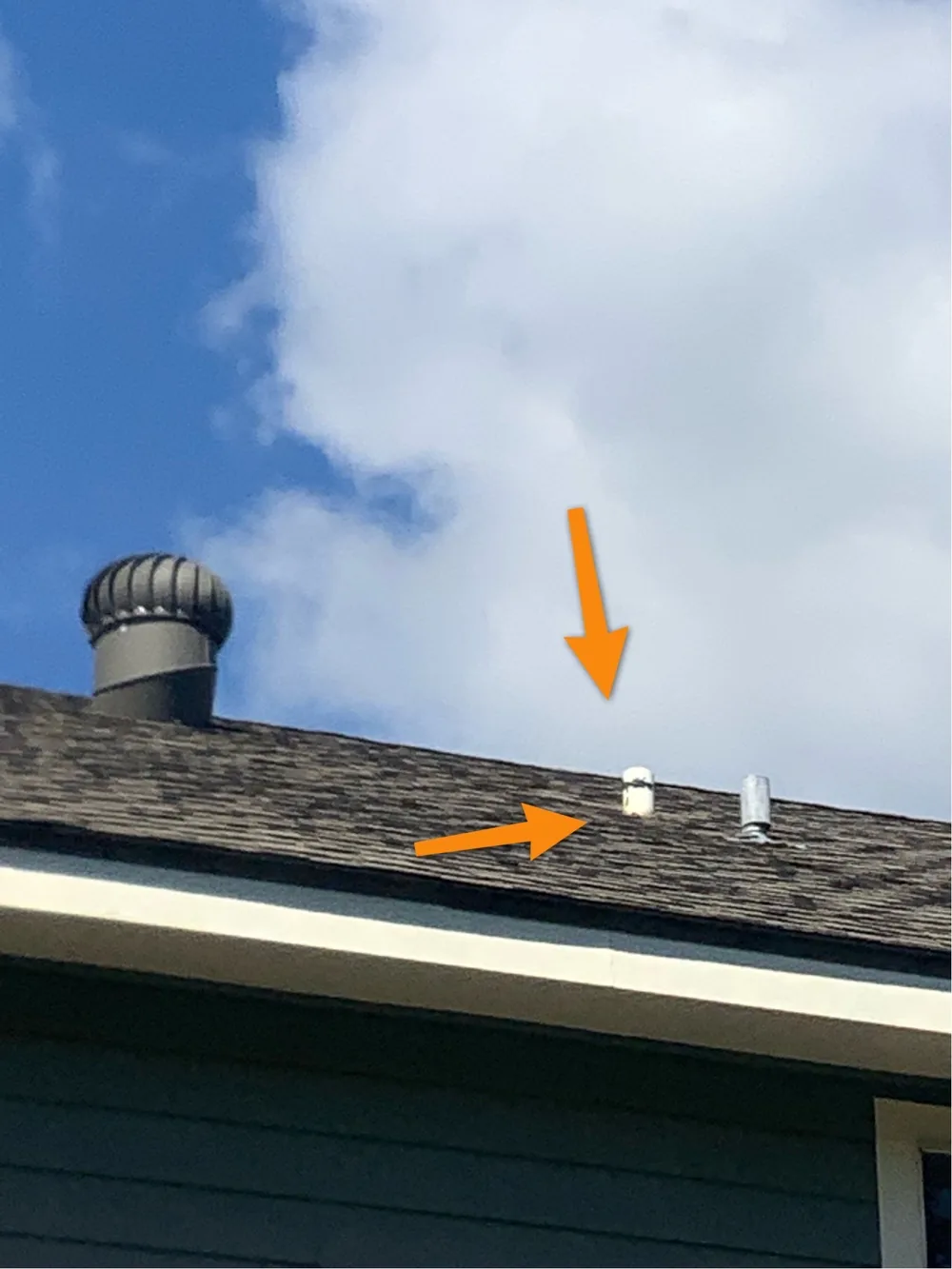
What We Found: A plumbing vent stack on the roof with the protective roof jack flashing missing.
Why It Matters: Without flashing, water can get in around the pipe and leak into the attic or ceiling below.
Next Step: Documented in your report so a roofer can install proper flashing.
What Electrical Issues Do Home Inspectors Commonly Find in Lafayette?
The inspector evaluates the service panel, breakers, visible wiring, outlets, switches, and safety devices such as GFCI and AFCI protection. They are checking for safe, functional installation and for anything that could be a fire or shock hazard — overloaded panels, improper connections, missing protection near water, or outdated components.
In older Acadiana homes, it is common to find aging panels, a patchwork of past do-it-yourself work, or missing GFCI protection in kitchens, bathrooms, and exterior outlets. These are the kinds of findings you want documented before closing so they can be addressed by a licensed electrician.
Certain panel brands and older wiring methods also deserve a closer look, and our humid climate is hard on exterior electrical components in particular. We note what we see and explain why it matters, so an electrical finding reads as a clear next step rather than a vague worry.
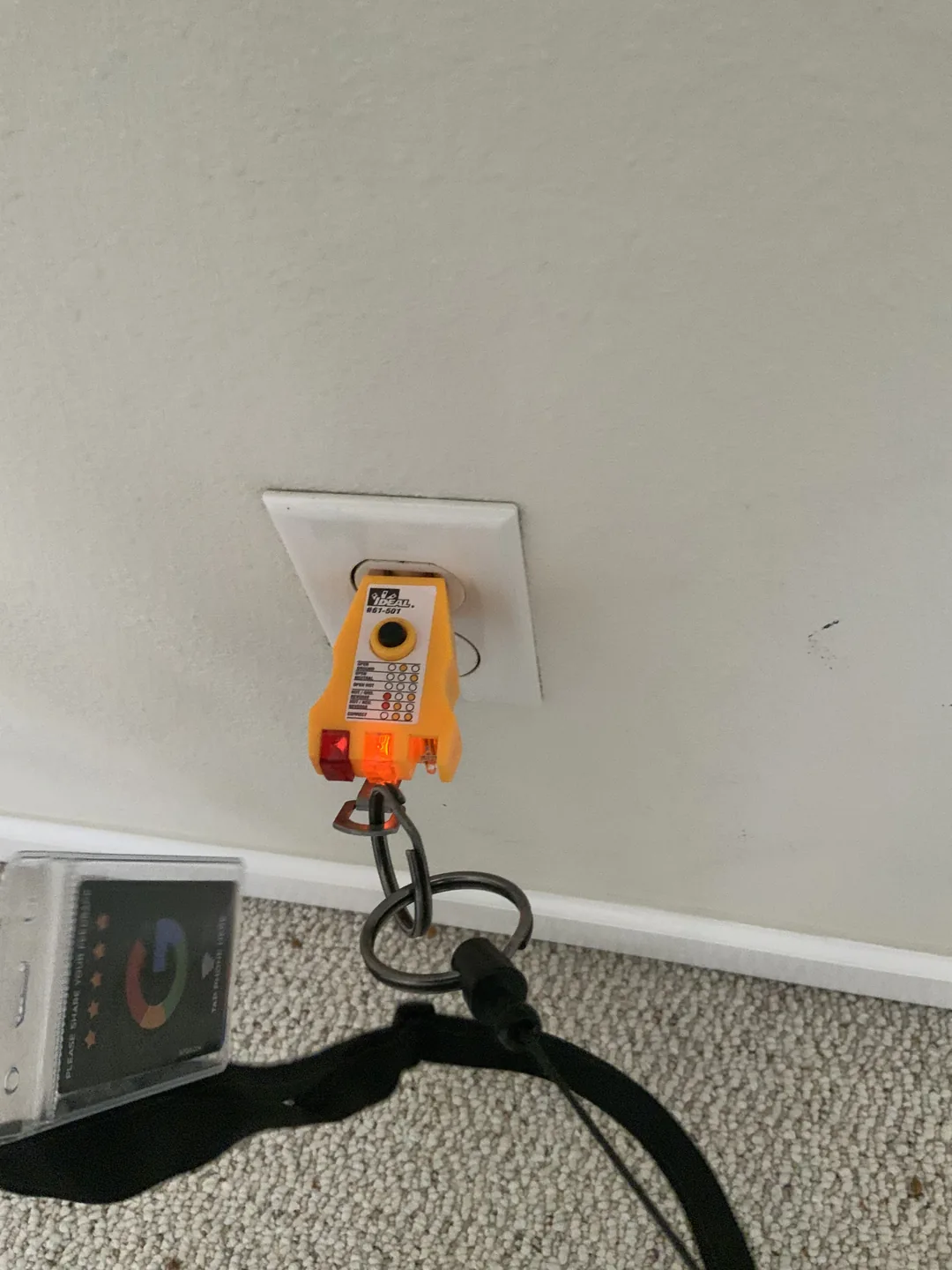
What We Found: An outlet tester indicating a wiring fault at a receptacle.
Why It Matters: Wiring faults at outlets can create shock or fire risks that aren't visible from the outside.
Next Step: Documented in your report for evaluation by a licensed electrician.
What Plumbing Problems Do Home Inspectors Look For?
On the plumbing side, the inspector checks visible supply lines, drains, the water heater, and fixtures for leaks, corrosion, poor water pressure, and improper connections. They run water, check for drainage, and look under sinks and around fixtures for the slow leaks that cause hidden damage over time.
Louisiana's humidity and older housing stock make moisture-related plumbing issues especially worth catching. A small, slow leak under a cabinet or behind a wall can feed mold growth for months before anyone notices. If moisture concerns turn up, we may recommend a closer look through our mold and indoor air quality testing.
What Does a Home Inspector Check in the Attic and Crawlspace?
Attics and crawlspaces tell you a lot about a home's health, which is why a thorough inspector gets into them where access allows. In the attic, the inspector looks at insulation levels, ventilation, the underside of the roof decking, and any signs of leaks or past water intrusion. In a crawlspace or at the foundation, they look at structural components, moisture, drainage, and vapor barriers.
These are exactly the hidden spaces where Acadiana's moisture problems hide — damp insulation, inadequate ventilation, and early signs of foundation movement. Catching them early is far cheaper than discovering them after you own the home.
What Is Included in a Home Inspector's Report?
After the walkthrough, you get a written report — and the quality of that report matters as much as the inspection itself. A good report documents each finding with photos, describes it in plain language, and organizes items by significance so you can tell a safety concern from routine maintenance at a glance. Acadiana Home Inspectors delivers a detailed, full-color narrative home inspection report, and you can see exactly what one looks like on our sample report page.
From there, the report becomes your tool. You can use it to request repairs, negotiate credits, or simply plan your maintenance for the years ahead. Ready to get started? Learn more about our buyer home inspections or schedule online.
Here Is Why You Can Trust Us
Your inspection is performed personally by Keith Blanchard (LHI #10752) or Andy Stanford (LHI #10916), Louisiana-licensed home inspectors with Acadiana Home Inspectors, serving Acadiana since 1995. No franchise system, no inspector lottery — and every buyer inspection comes with a detailed full-color home inspection report and a Six-Month Inspection Warranty.