Few words make a buyer's stomach drop like "foundation." In Lafayette and across Acadiana, foundation movement is one of the most common — and most misunderstood — findings in a home inspection. The good news is that not every crack is a crisis, and understanding what inspectors actually look for takes a lot of the fear out of it. If you're buying a home with visible concerns, a home inspection in Lafayette covers exactly this situation — foundation condition included. Acadiana Home Inspectors has evaluated Acadiana foundations since 1995, and here's what we see and why.
Why Are Foundation Issues So Common in Lafayette, LA?
It comes down to the ground itself. Much of Acadiana sits on expansive clay soil, which swells when it's wet and shrinks when it's dry. Our climate pushes that soil through dramatic cycles — heavy rains and flooding followed by hot, dry stretches — and every cycle moves the ground beneath a home. Over years, that movement transfers up into the foundation.
Drainage makes it better or worse. Water that pools against a slab, gutters that dump at the corners, or a lot that slopes toward the house all concentrate moisture where it does the most damage. That's why two identical homes on the same street can have very different foundation stories.
None of this means Acadiana homes are unsafe — it means foundation movement is a normal, expected part of owning a home here. What matters is catching it, understanding its severity, and knowing whether it's stable or still moving.
What Foundation Problems Do Home Inspectors Look For?
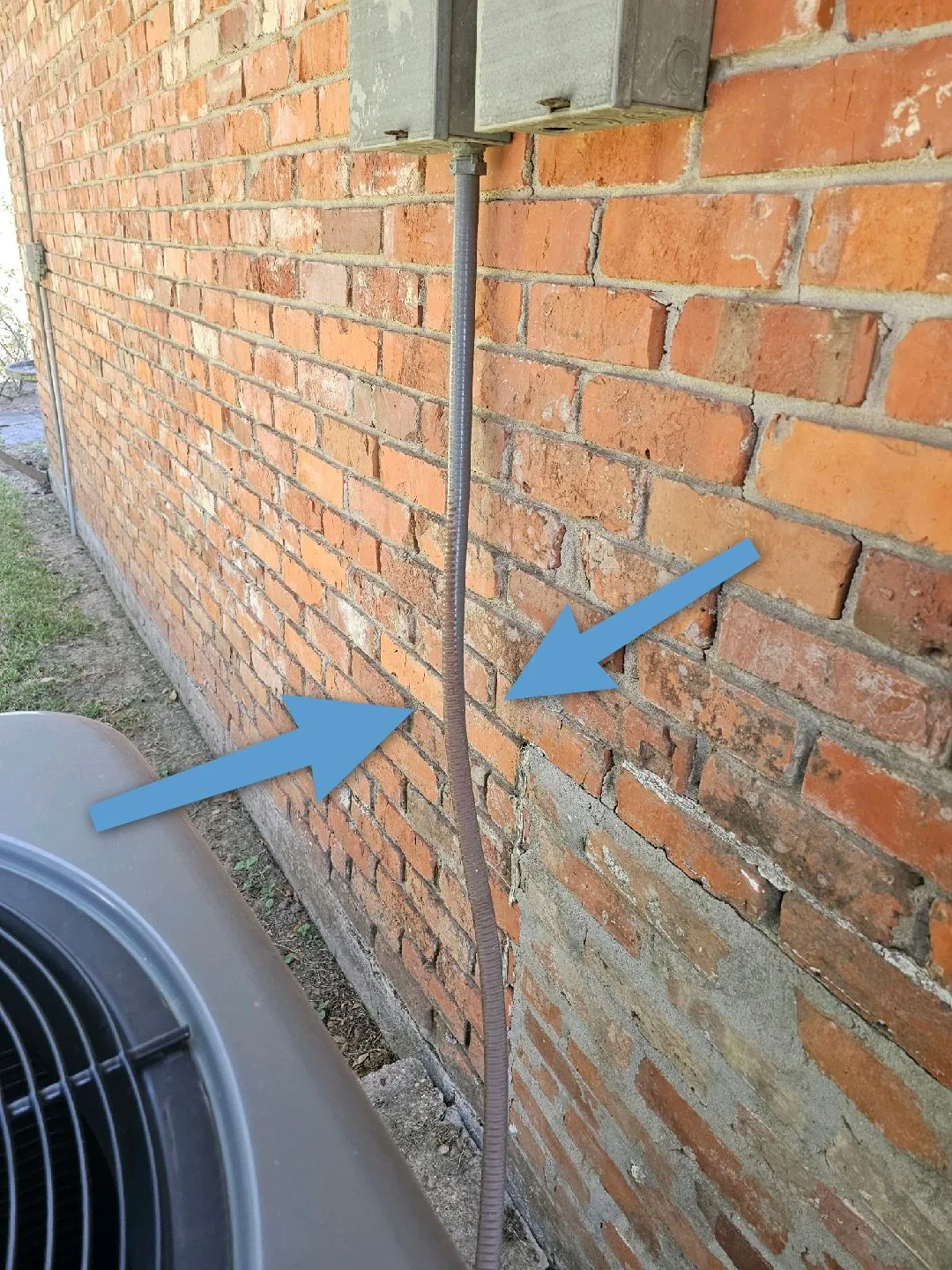
A home inspector evaluates the foundation visually, inside and out. On a slab-on-grade home — the most common type in Acadiana — that means looking for cracks in the slab edge, separation at the brick veneer, and movement patterns that suggest the slab has shifted. Inside, the inspector checks for related clues: cracks in drywall at door and window corners, doors that stick or won't latch, and floors that slope or feel uneven underfoot.
On pier-and-beam homes, the inspector looks under the house where accessible, checking piers, beams, and the condition of the wood framing for sagging, rot, or shifting supports. Either way, the inspector is building a picture from many small signs rather than any single crack.
What Are the Signs of Foundation Movement in a Louisiana Home?
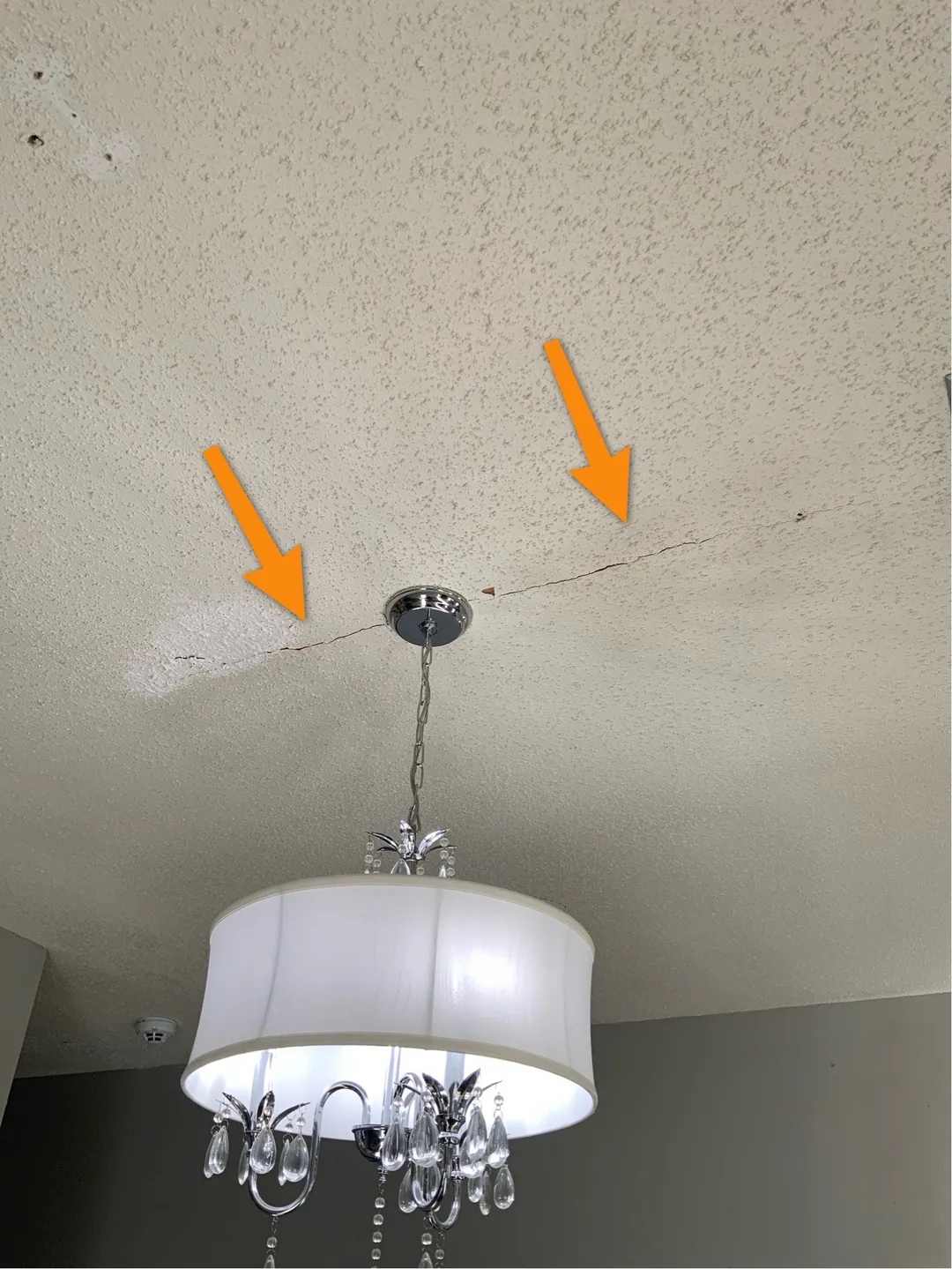
The most common red flags show up where a home is weakest. Stair-step cracks in brick or block, gaps opening between the brick and a window frame, and diagonal drywall cracks running from the corners of doors and windows all point toward movement. So do doors and windows that suddenly stick, gaps under baseboards, and cracked tile along a consistent line.
Not every crack is structural, though. Hairline cracks in drywall and concrete are extremely common and often cosmetic. What an inspector weighs is the pattern — the width, direction, location, and whether several signs line up to tell the same story. A single thin crack is routine; several signs pointing the same way is worth a closer look.
How Serious Is Foundation Cracking in an Acadiana Home?
Severity is the whole question, and it's why context matters so much. Minor, stable cracking is extremely common here and often needs nothing more than monitoring. Moderate movement may call for improved drainage, gutter work, or watering practices to stabilize the soil around the home. Significant, active movement — where multiple strong signs line up — is where a buyer wants a specialist's opinion before closing.
An inspector's job is to document what's visible and describe the severity honestly, not to alarm or reassure. In your detailed home inspection report, foundation findings are organized by significance so you can tell a cosmetic crack from a structural concern at a glance — and decide your next step with real information instead of worry.
What Happens After a Home Inspector Finds Foundation Concerns?
If the inspection turns up signs of meaningful movement, the next step is usually a structural engineer or a foundation specialist. A home inspector can tell you that there's movement and roughly how concerning it looks; an engineer can tell you why and what repair, if any, is needed. This referral isn't a failure of the inspection — it's the inspection doing its job by pointing you to the right expert.
With that information in hand, you have options: proceed as-is, negotiate repairs or a credit with the seller, or walk away. Many Acadiana homes with a foundation history are perfectly good buys once the movement is understood and addressed. The point is to make that call knowingly. For the full scope of what we evaluate, see our buyer home inspection page.
Should I Get a Separate Foundation Inspection in Lafayette?
Every standard inspection we perform already includes a thorough visual evaluation of the foundation — so for most buyers, a separate foundation inspection isn't necessary up front. Where it earns its keep is when a home shows real signs of movement, has a known foundation history, or when you simply want extra confidence before committing on a home you love.
In those cases, a closer evaluation during your home inspection — and, if warranted, a structural engineer's assessment — gives you the clearest possible picture. If you're weighing a home with foundation questions, we're glad to talk through whether that extra step makes sense for your situation. You can schedule online or give us a call.
Here Is Why You Can Trust Us
Every inspection is performed personally by Keith Blanchard (LHI #10752) or Andy Stanford (LHI #10916), Louisiana-licensed home inspectors with Acadiana Home Inspectors, serving Acadiana since 1995. We bring Acadiana-specific experience since 1995 to foundation findings, document everything by significance in a detailed full-color home inspection report, and refer you to the right specialist when a closer look is warranted.